

Discover Digital Innovations in Dental Implant Labs
The dental industry experiences rapid transformation through digital implant advancements. These innovations redefine how dental prosthetics are designed, fabricated, and delivered. Precision, speed, and customization reach new heights. As a professional in the field, I witness firsthand how these technologies elevate patient outcomes and streamline workflows.
Digital implant advancements empower dental professionals to offer superior care. They reduce errors and improve communication between clinics and labs. The integration of cutting-edge tools and software reshapes the entire implant process. This post explores key innovations shaping modern dental implant labs and practical ways to leverage them.
Embracing Digital Implant Advancements for Precision and Efficiency
Digital implant advancements focus on accuracy and efficiency. Traditional methods often involve manual impressions and lengthy fabrication times. Digital workflows replace these with intraoral scanning, CAD/CAM design, and 3D printing. These tools deliver highly precise models and restorations faster than ever.
Intraoral scanners capture detailed 3D images of the patient’s mouth. This eliminates the discomfort and inaccuracies of physical molds. The digital files transfer instantly to the lab, enabling immediate design work. Computer-aided design (CAD) software allows technicians to create custom implants tailored to each patient’s anatomy.
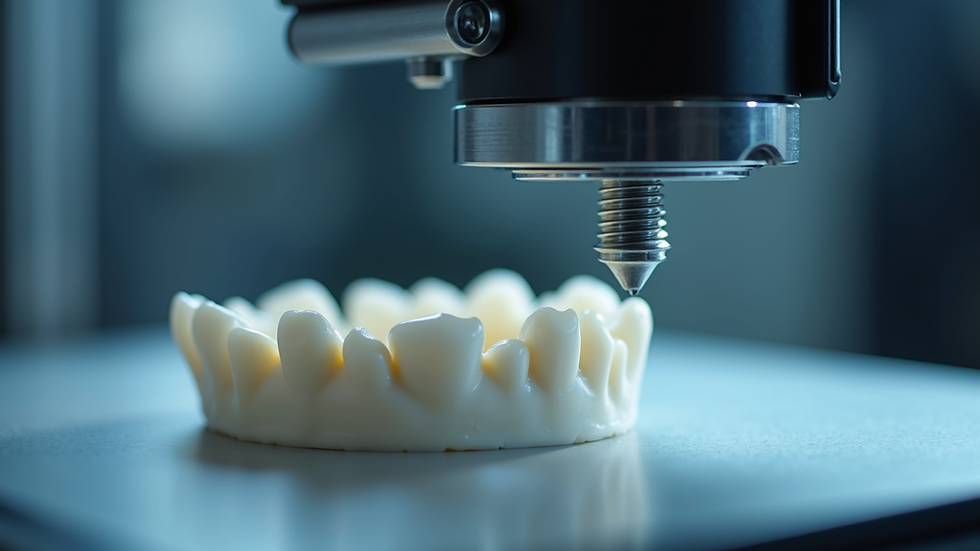
Computer-aided manufacturing (CAM) then fabricates the implant components with exceptional precision. Milling machines and 3D printers produce restorations that fit perfectly, reducing adjustments and remakes. This streamlined process saves time and enhances patient satisfaction.
Key benefits include:
Reduced turnaround times from weeks to days
Improved fit and function of implants
Enhanced communication through digital file sharing
Minimized human error in impression taking and fabrication
Integrating Advanced Imaging and Planning Software
Advanced imaging technologies complement digital implant advancements. Cone beam computed tomography (CBCT) provides detailed 3D scans of bone structure and surrounding tissues. This data integrates with planning software to map implant placement with precision.
Digital implant planning software allows for virtual surgery simulations. It helps identify optimal implant size, angle, and position before any clinical procedure. This reduces risks and improves surgical outcomes. The software also generates surgical guides that assist dentists during implant placement.
Using these tools, dental professionals can anticipate challenges and customize treatment plans. The result is a more predictable and efficient implant process. Collaboration between the clinic and the dental implant lab becomes seamless, ensuring the prosthetics match the surgical plan perfectly.
Practical recommendations:
Invest in CBCT imaging for comprehensive diagnostics
Use digital planning software to simulate implant placement
Collaborate closely with your dental implant lab to align designs with surgical guides

Enhancing Customization with Digital Design and Materials
Customization is a cornerstone of digital implant advancements. CAD software enables the creation of implants and prosthetics that match the patient’s unique oral anatomy. This level of personalization improves comfort, aesthetics, and function.
Material science also advances alongside digital design. New biocompatible materials such as zirconia and titanium alloys offer strength and natural appearance. Digital fabrication techniques allow layering and coloring to mimic natural teeth precisely.
The combination of digital design and advanced materials results in prosthetics that integrate seamlessly with the patient’s mouth. This reduces complications and enhances long-term success.
Actionable tips for customization:
Utilize CAD tools to tailor implant shapes and contours
Select materials based on patient needs and aesthetic goals
Work with your dental implant lab to explore innovative material options
Streamlining Workflow with Digital Communication and Quality Control
Digital implant advancements improve communication between dental practices and labs. Cloud-based platforms enable instant sharing of digital impressions, designs, and feedback. This real-time collaboration accelerates decision-making and reduces errors.
Quality control also benefits from digital tools. Automated scanning and inspection systems verify the accuracy of fabricated implants. This ensures each piece meets strict standards before delivery.
By adopting these technologies, dental professionals can maintain high-quality outcomes while optimizing workflow efficiency.
Best practices include:
Implement cloud-based communication tools for seamless file exchange
Use digital quality control systems to verify implant accuracy
Establish clear protocols for feedback and revisions with your dental implant lab
Looking Ahead: The Future of Digital Implant Advancements
The future of digital implant advancements promises even greater innovation. Artificial intelligence (AI) and machine learning will enhance diagnostic accuracy and treatment planning. Robotics may assist in implant placement, increasing precision further.
Virtual and augmented reality could transform patient consultations and training. These technologies will provide immersive visualizations of treatment outcomes and surgical procedures.
Staying informed and adaptable is crucial. Embracing these emerging tools will position dental professionals at the forefront of implant dentistry. Partnering with a forward-thinking dental implant lab ensures access to the latest innovations and expertise.
To prepare for the future:
Monitor developments in AI and robotic-assisted dentistry
Explore virtual reality applications for patient education
Foster strong partnerships with digital dental labs committed to innovation
Digital implant advancements redefine what is possible in dental care. They enhance precision, customization, and efficiency at every stage. By integrating these technologies, dental professionals can deliver superior results and transform smiles with confidence.


Comments